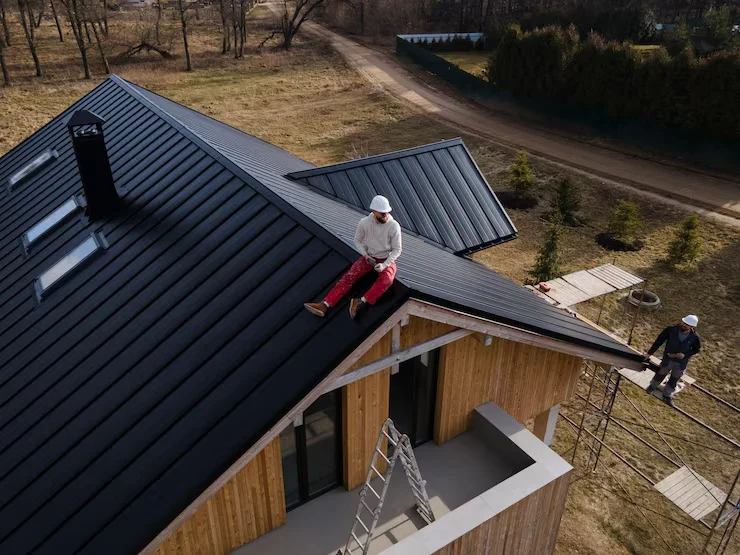
When it’s time to replace siding on a Columbus home, the choice usually comes down to two options: vinyl siding (the affordable workhorse) or Hardie board (the fiber-cement premium upgrade). Both work in . Both have legitimate fans. And the right answer depends on your home, your budget, your neighborhood, and how long you plan to stay.
Here’s the honest vinyl siding vs Hardie board comparison including how each performs against Columbus’s intense summer heat and humidity, what they actually cost installed, and which one earns its money back at resale.
Quick answer: Vinyl siding is the cost leader at $3–$7 per sq ft installed and lasts 20–30 years in Columbus. Hardie board (fiber cement) costs $10–$13 per sq ft installed and lasts 30–50 years with better fire resistance, paint adhesion, and heat and humidity performance. For homes in higher-value neighborhoods (Green Island Hills, Historic District, Cataula, North Columbus), Hardie typically pays back at resale. For mid-market Columbus homes, vinyl is usually the smart financial call.
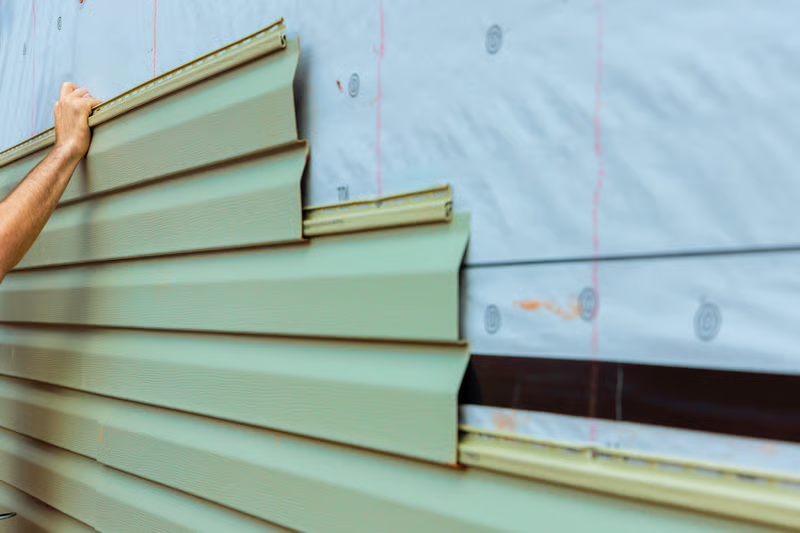
What Vinyl Siding Actually Is
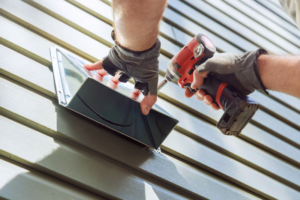
Vinyl siding is extruded PVC plastic, formed into long panels that interlock and hang on your home’s sheathing. It’s been the dominant siding material in American residential construction since the 1980s.
Strengths:
- Lowest installed cost of major siding materials
- Won’t rot, rust, or feed termites
- Comes in dozens of colors and several profiles (clapboard, Dutch lap, beaded, vertical, shake-look)
- Easy DIY-friendly install for skilled homeowners
- Cleans with a garden hose
Weaknesses:
- Can warp from heat (grills, reflected sunlight off windows)
- Cracks during cold snaps Columbus’s occasional winter cold dips stay within tolerance for modern vinyl but can stress older grades
- Color is throughout the panel (which is good for scratches) but fades over 15–25 years
- Lower visual prestige in higher-end neighborhoods
- Less effective at hiding wall imperfections than fiber cement
What Hardie Board Actually Is
Hardie board is fiber-cement siding manufactured by James Hardie Industries. It’s a composite of cement, sand, cellulose fibers, and water — molded into siding panels and planks that look like painted wood from the curb.
Strengths:
- Class A fire rating (vinyl melts; Hardie doesn’t burn)
- 30–50 year lifespan in Columbus’s climate
- Holds factory paint for 15+ years before repainting
- Resists hail, wind, pests, and rot
- Doesn’t crack from heat and humidity at typical Georgia temperatures
- Adds resale value in mid-to-high-end Columbus markets
Weaknesses:
- 2–3x the installed cost of vinyl
- Heavy — requires professional install
- Repainting required eventually (15+ years)
- Cutting generates silica dust — installers must use proper protectin
Cost Comparison Table — Columbus 2026
| Factor | Vinyl Siding | Hardie Board (Fiber Cement) |
| Material cost per sq ft | $1.50 – $3.50 | $5.00 – $8.00 |
| Installation labor per sq ft | $1.50 – $3.50 | $5.00 – $7.00 |
| Total installed per sq ft | $3 – $7 | $10 – $13 |
| Typical 2,000 sq ft Columbus home (1,800 sq ft of siding) | $5,400 – $12,600 | $18,000 – $23,400 |
| Lifespan in Columbus climate | 20–30 years | 30–50 years |
| Cost per year of life | ~$200–$420 | ~$360–$780 |
| Maintenance (annual) | $0–$50 (rinse only) | $0–$100 (inspect; repaint every 15+ years) |
| Repainting cost (over lifetime) | N/A | $5,000–$9,000 once or twice |
For broader project costs that often run alongside siding replacement, see our Columbus roof replacement cost guide many homeowners bundle siding and roofing for cost efficiency.
Performance in Columbus Weather
‘s climate is genuinely tough on building materials. Here’s how each holds up.
intense summer heat and humidity (80+ per year)
- Vinyl: Modern grades handle this fine. Older or builder-grade vinyl from the 1990s gets brittle and cracks at zipper seams after 15–20 years.
- Hardie: Built for it. Fiber cement doesn’t absorb water at the rate that would create freeze damage.
Hail (6–10 events per year)
- Vinyl: Major hail can crack vinyl panels. Damage is usually visible and replaceable.
- Hardie: Withstands most hail without functional damage. Some cosmetic dimpling possible in severe storms.
High Summer Humidity + UV
- Vinyl: Color fades 10–25% over the lifespan, primarily on south and west exposures.
- Hardie: Factory finish (ColorPlus) holds remarkably well — 15+ years before noticeable fade. Field-painted Hardie needs repainting on the normal exterior paint cycle.
wind-driven rain and Moisture
- Vinyl: Trapped moisture between vinyl and the wall behind it is a real issue if installed without proper housewrap. Can cause hidden rot.
- Hardie: Less prone to moisture trapping. Still requires proper flashing and rainscreen detail.
Wind (Average 8–12 mph, gusts 50+ mph in storms)
- Vinyl: Properly installed vinyl holds up to 110+ mph. Improperly nailed vinyl panels can blow off in 50+ mph gusts.
- Hardie: Rated for 130+ mph wind. Doesn’t blow off.
For more on Columbus weather damage patterns particularly hail see our Columbus hail damage guide.
Which Fits Which Columbus Home Type?
Vinyl makes sense for:
- Mid-market homes in subdivisions (Upatoi, Fortson, Midland newer construction)
- Investment properties where ROI matters more than premium aesthetics
- Homes with simple geometry and few accent features
- Homeowners on a tight budget who plan to sell within 10 years
- Modest single-family homes in mid-tier neighborhoods
Hardie board makes sense for:
- Higher-value neighborhoods (Green Island Hills, Historic District, Cataula, North Columbus, Wynnton)
- Historic homes where wood-replicate aesthetics matter
- Owners planning to stay 15+ years
- Fire-prone exposures or properties near wooded lots
- Custom new construction where install premium amortizes into the build budget
- Resale properties in markets where buyers expect fiber cement
The neighborhood signal matters: Hardie board in Upatoi recoups maybe 60% at resale; the same install in Green Island Hills often recoups 80–95%.
Resale Value Impact in Columbus
Remodeling Cost vs. Value reports show fiber cement siding consistently outperforms vinyl on resale return typically 65–80% cost recouped for fiber cement vs 60–75% for vinyl on average nationally.
In Columbus specifically, the recoup gap widens in premium neighborhoods. A buyer touring a $750K home in Green Island Hills with vinyl siding sees deferred maintenance; the same buyer touring with Hardie board sees move-in-ready. That perception alone moves contracts.
In sub-$400K neighborhoods, the difference flattens — buyers expect vinyl and don’t penalize it.
Maintenance Reality Check
Nobody likes thinking about decade-out maintenance, but it changes the math.
Vinyl over 25 years:
- Annual: rinse with hose
- Every 5 years: replace 1–3 cracked panels ($100–$300 per panel installed if you call a pro)
- Replacement at year 25: full siding job
Hardie over 40 years:
- Annual: visual inspection, clean as needed
- Year 15: repaint ($5,000–$8,000 on average Columbus home)
- Year 30: repaint again ($5,500–$9,000)
- Replacement at year 40+: full siding job
Hardie wins on lifespan but adds the repainting cost. Both arrive at roughly the same per-year ownership cost over a 25–30 year horizon, with Hardie having the edge for owners staying 30+ years.
FAQ
Is Hardie board worth the extra cost in Columbus?
In higher-value neighborhoods (Green Island Hills, Historic District, Cataula, North Columbus, Wynnton), yes it pays back through resale and reduced replacement frequency. In mid-market subdivisions, vinyl is usually the better financial call. The decision is more about neighborhood expectations than absolute quality.
Does vinyl siding really crack in Columbus winters?
Modern vinyl (post-2000) handles Columbus’s mild winter temperatures without issue. Older builder-grade vinyl from the 1990s can grow brittle during a hard freeze — those homes show cracking around fasteners. Newer high-quality vinyl is rated well below freezing.
How long does Hardie board last in Georgia weather?
Properly installed Hardie board lasts 30–50 years in Columbus. The factory paint finish (ColorPlus) holds for 15+ years before repainting; field-painted Hardie needs repainting on the normal exterior cycle of 7–10 years. The substrate outlasts the paint by decades.
Can I install Hardie board over existing siding?
No — Hardie board’s weight and installation requirements mean existing siding must come off first. This adds tear-off and disposal cost to the project. Most reputable Columbus siding contractors include this in their quote.
Does Hardie board increase home insurance discounts in Columbus?
Some Georgia insurance carriers offer fire-resistant material discounts of 5–15% on homes with fiber cement siding. Discounts vary by carrier and aren’t universal. Worth asking your agent before signing.
Which is better for the resale value of my Columbus home?
Depends on neighborhood. For homes worth $500K+, Hardie board recoups more at resale and signals quality. Under $400K, vinyl is typically expected and doesn’t reduce value. Mid-range ($400K–$500K) is the gray zone — depends on the specific subdivision and recent comps.
Service Area Coverage
We serve the full Columbus metro and surrounding areas:
Columbus neighborhoods: Wynnton, Uptown, Midtown, Rose Hill, Beallwood, Overlook, Lakebottom, Hamilton, Green Island Hills, Historic District, North Columbus.
Surrounding cities and suburbs: Upatoi, Fortson, Harris County, Midland, Cataula, Ellerslie, Smiths Station, South Columbus, Bibb City.
Bottom Line
Vinyl siding wins on upfront cost ($3–$7 per sq ft) and works well in mid-market Columbus homes. Hardie board wins on lifespan (30–50 years), fire resistance, and resale value in premium neighborhoods but costs 2–3x more upfront. For most Columbus homeowners, the decision comes down to neighborhood tier and how long you plan to stay: vinyl for 10-year horizons in mid-market areas, Hardie for 20+ year horizons in Green Island Hills, Historic District, Cataula, or North Columbus.
Deciding between vinyl and Hardie for your Columbus home? Call (706) 786-0440 for a free estimate on both options. We’ll show you real installed costs, walk your neighborhood comps, and help you make the call that fits your budget and timeline. Serving Columbus, Green Island Hills, Historic District, North Columbus, Harris County, Fortson, Upatoi, Midland, and surrounding suburbs.