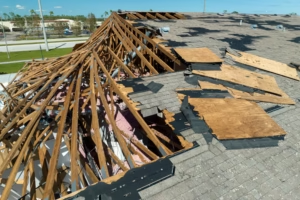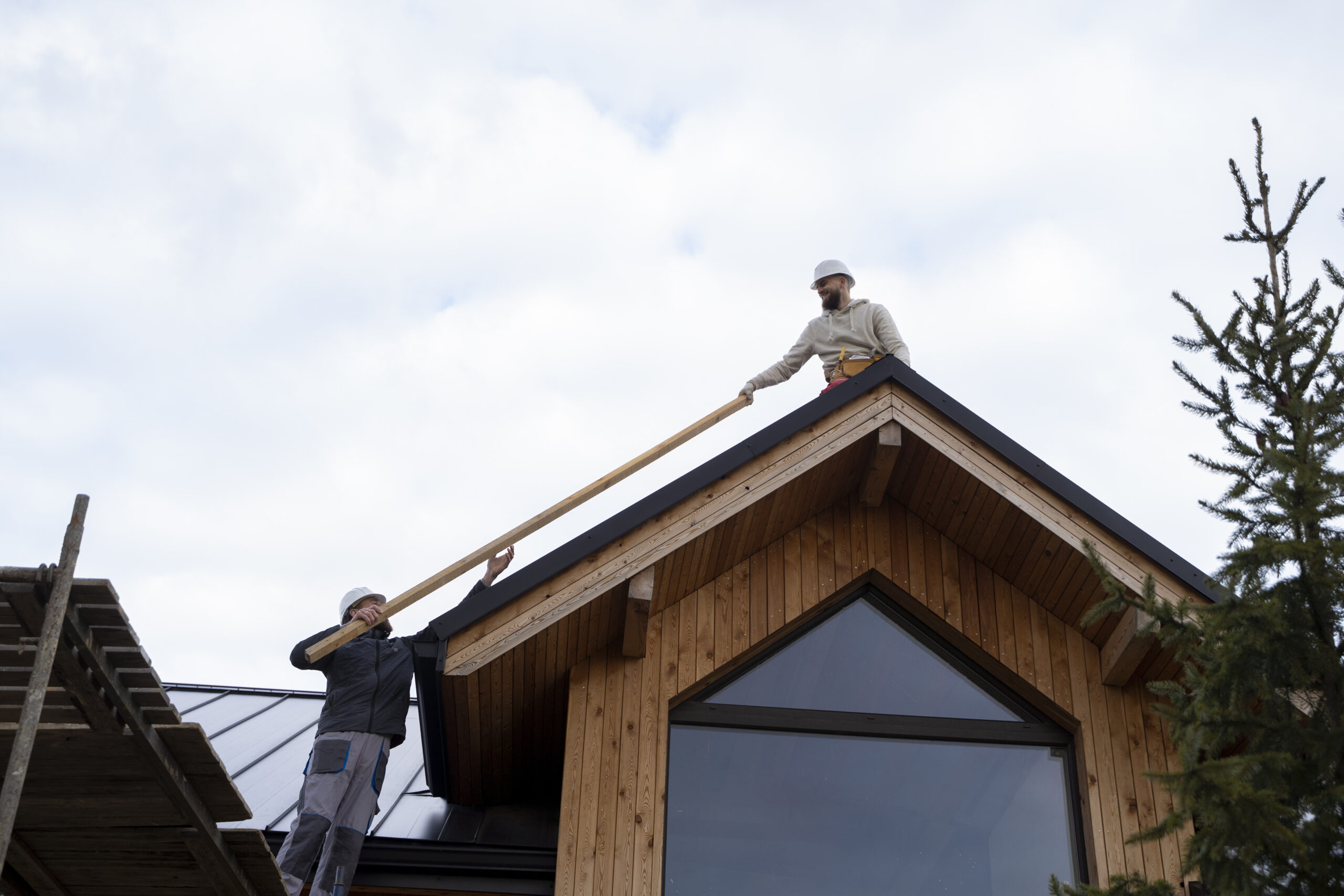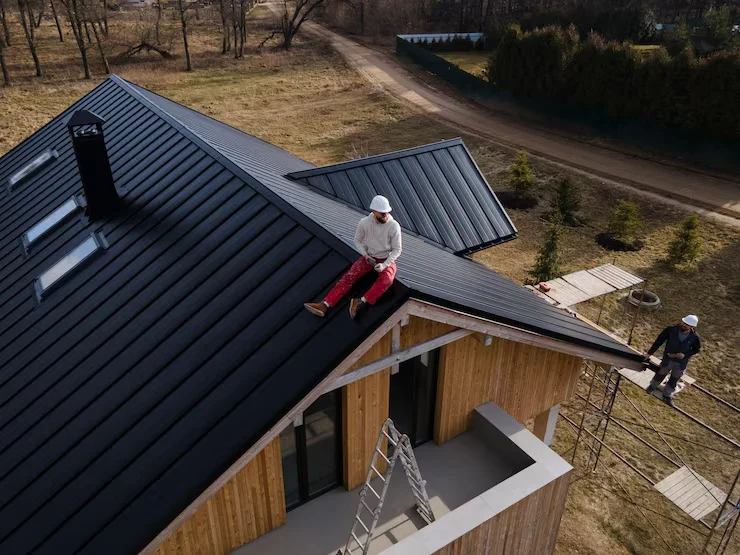
gets hammered by hail. Spring and summer storm fronts roll through Columbus, carrying golf-ball-sized hail every couple of years and pea-to-quarter-sized hail every season. A single 10-minute storm can shorten a Columbus roof’s life by 5–10 years, even when the damage isn’t obvious from the ground.
The frustrating part: half the homeowners with real hail damage roof problems in Columbus don’t file claims because they don’t know what to look for. The other half file too late and get denied. Here’s how to spot hail damage, document it correctly, and navigate the Georgia insurance process before your claim window closes.
Quick answer: Hail damage to Columbus roofs appears as circular bruises, missing granules, exposed shingle mat, cracked shingles, dented metal flashing, and dings on soft metals (vents, gutters, air conditioner fins). Your insurance company typically covers replacement minus your deductible, but most policies require claims to be filed within 12 months of the storm event. Document everything, get a professional roof storm damage assessment within 30 days, and don’t sign anything from door-knocking storm chasers.
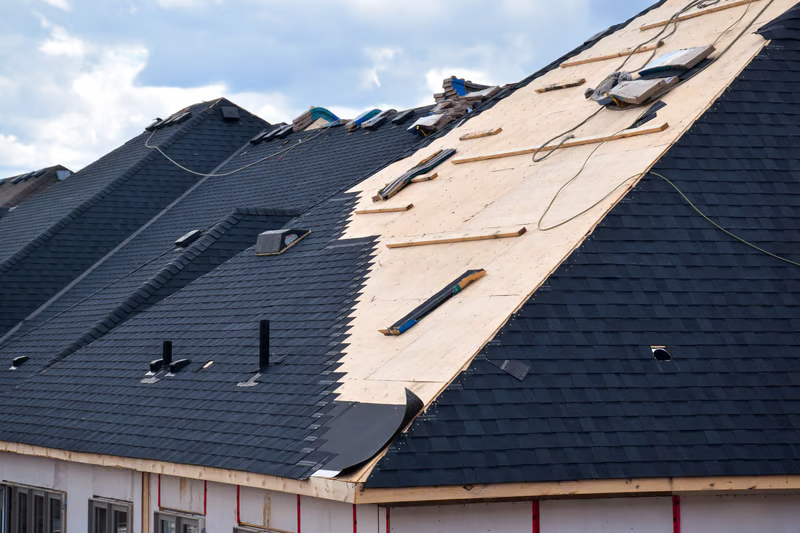
Why Columbus Gets So Much Hail
Columbus sits in the eastern edge of America’s hail belt. averages 6–10 hail events per year, with stones reaching at least 1 inch in diameter, the threshold where roof damage starts.
The peak hail season runs from April through August, with the worst storms typically in May and June. When a major hailstorm hits like the May 2023 event that damaged thousands of roofs across , Midland, and northeast Columbus, claims surge for weeks afterward.
The geography matters too: Columbus gets the back-end of storm systems moving northeast across the Plains, which often arrive over in their most volatile stage. Communities northeast of the city (, Midland, Cataula) tend to see the most frequent severe events.
6 Visual Signs of Hail Damage on Your Columbus Roof
You don’t need to climb up there the most reliable signs are visible from the ground or low-angle inspection.
1. Circular Bruises on Shingles
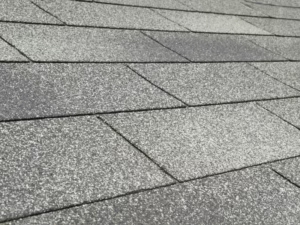
Hail strikes leave circular impact marks where the granule layer has been knocked off. These look like dark circles roughly the size of the quarter-sized hail leaves quarter-sized bruises. Concentrated bruises on the south and west sides of your roof (the storm-facing slopes) are diagnostic.
2. Granule Loss in Gutters and Downspouts
After a hailstorm, walk your gutters. A heavy layer of black granule sand at the downspout outlets, far more than normal, means hail knocked granules loose across your whole roof. Some granule shedding is normal during heavy rain; hail-related shedding is dramatic and obvious.
3. Exposed Shingle Mat (Black Spots)
When enough granules are knocked off in one spot, the black fiberglass mat underneath shows through. These look like dark patches on an otherwise uniform roof. Once the mat is exposed, UV damage accelerates rapidly the shingle will fail within 2–5 years.
4. Cracked or Split Shingles
Larger hail (1.5″+ in diameter) can crack shingles outright. Look for hairline cracks radiating from impact points or split tabs. This is severe damage requiring near-term replacement.
5. Dented Metal Components
Hail dents soft metal first: AC condenser fins, gutter ends, downspout fronts, satellite dishes, mailboxes, gas grills, and metal vents on the roof (turbine vents, plumbing vents, gable vents). If your AC fins are bent flat after a storm, your roof was hit hard enough for damage.
6. Damaged Skylights, Flashing, and Ridge Caps
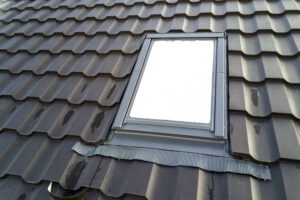
Skylight panels can crack from hail. Step flashing along walls and chimneys can dent. Ridge cap shingles take the most direct strikes and damage first.
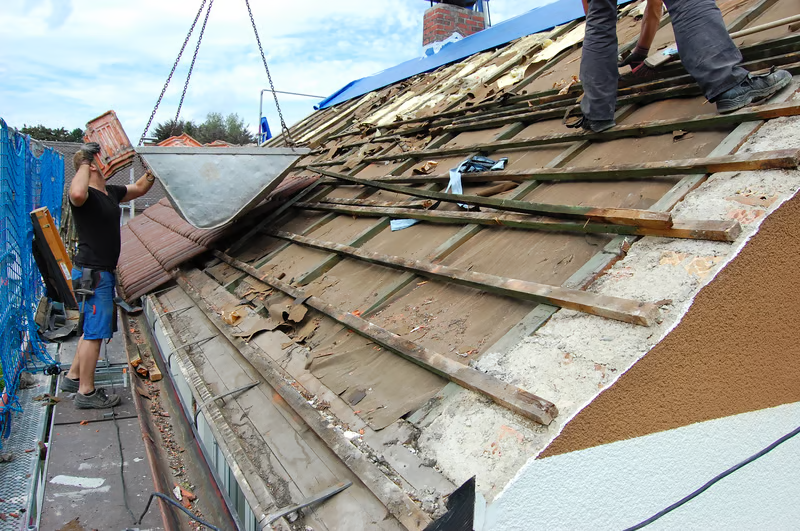
Functional vs Cosmetic Damage A Critical Distinction
Insurance adjusters in Georgia distinguish between two types of hail damage:
- Functional damage: Compromises the roof’s water-shedding ability or shortens its useful life. Covered for full replacement.
- Cosmetic damage: Visible but doesn’t compromise function. Some Georgia policies exclude cosmetic damage; many cover both.
The line gets contested. A homeowner sees clear bruising and assumes coverage; the adjuster says it’s “weathering,” not hail. This is where independent professional assessment matters a licensed Columbus roofing contractor or public adjuster can document damage in a way insurance can’t easily dismiss.
For context on roof end-of-life in general (and whether age alone is what’s actually killing your roof), see our guide to 7 signs you need a new roof in Columbus.
What to Do in the First 48 Hours After a Columbus Hailstorm
Speed matters. Insurance claims are easier to win and faster to process when documentation is fresh.
- Document the storm. Save the date, time, and storm reports from NOAA, the National Weather Service, or local news. Apps like CoreLogic Verisk or RadarScope record hail events.
- Photograph soft-metal damage from the ground. AC condenser fins, gutters, downspouts, mailboxes, anything you can reach. These are easy-to-document witnesses.
- Check for visible roof issues from ground level. Use binoculars or zoom on your phone camera. Look at the storm-facing slopes (south/west typically in Columbus).
- Don’t climb the roof yourself. Both for safety and for liability — let a pro do the inspection.
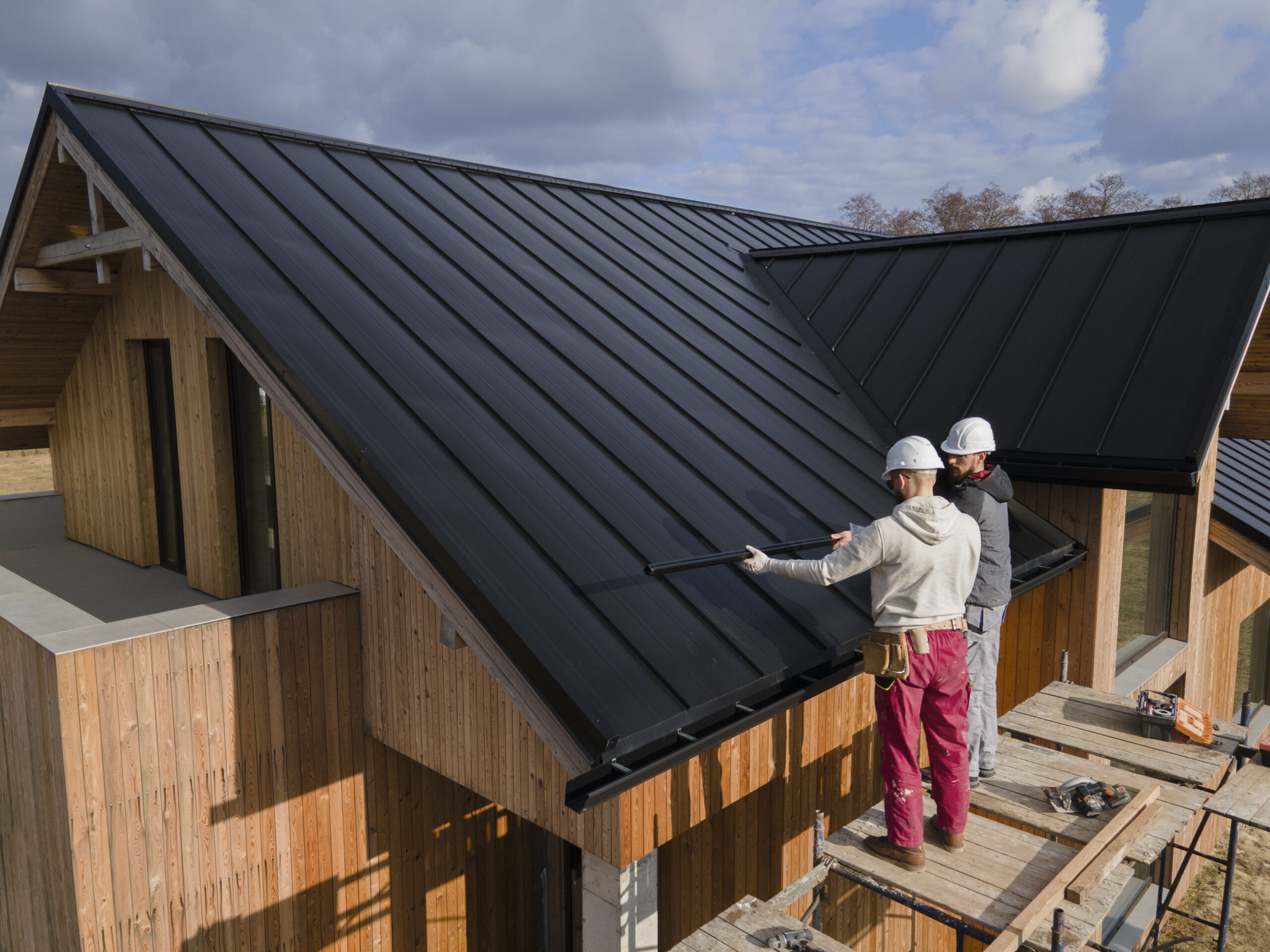
- Schedule a free roof storm damage assessment with a licensed Columbus roofing contractor. Most offer free inspections after major storms.
- Get the assessment in writing, with photos.
- File the insurance claim if damage is confirmed. Most insurers want notification within 30–60 days of the event.
For the cost picture, once you know what you’re dealing with, see our Columbus roof replacement cost guide for 2026.
How to Document Hail Damage for Insurance
A weak documentation packet gets denied. A strong one gets approved. Build yours:
- Date and source of the storm event (NOAA storm report URL, screenshot)
- Multiple high-resolution photos of damage on every roof slope (have the contractor do this)
- Photos of soft-metal damage with a quarter or measuring tape for scale
- Contractor’s written damage assessment describing functional vs cosmetic findings
- Itemized estimate for repair or replacement
- Notes on any indoor signs (leaks, water stains, attic moisture)
Provide all of this with your initial claim. Don’t wait for the insurance adjuster to ask be ahead of them.
Filing the Insurance Claim: Georgia Process
- Call your insurance carrier and report the claim. Get a claim number.
- Insurance adjuster schedules an inspection typically within 7–14 days.
- Ideally, your roofing contractor is present during the adjuster inspection. They can walk through findings together. This single step swings claim outcomes significantly.
- Insurance issues a scope of work itemizing what they’ll pay for.
- Compare the scope to your contractor’s estimate. If the insurance scope is missing items (flashing, ice/water shield, decking), request a supplement.
- You pay your deductible; insurance pays the rest (or pays the contractor directly via assignment).
Most Columbus roofing claims close in 30–60 days. Disputed claims can drag 90–180 days.

Public Adjusters vs Roofing Contractors
When a claim gets denied or under-scoped, two professional advocates can help:
| Role | When They Help | Cost |
| Roofing contractor | First-line damage assessment, scope review, working with adjuster | Free assessment; install fees from insurance proceeds |
| Public adjuster | Denied claims, complex disputes, large-dollar claims | 10–20% of claim payout |
| Attorney (insurance bad-faith) | Carrier acting unreasonably or denying in bad faith | Contingency or hourly |
For most Columbus homeowners with a clean hail claim, a reputable roofing contractor is enough. Public adjusters earn their fee on contested, denied, or large-dollar claims.
Warning: Avoid the door-knockers who show up after a storm offering to “handle everything.” They’re storm chasers who collect deposits, do shoddy work, and disappear. A real Columbus roofing contractor was here before the storm and will be here next year.
FAQ
How do I know if my Columbus roof has hail damage?
Look for circular dark bruises on shingles, exposed black mat where granules are missing, heavy granule shed in gutters, dented soft-metal items (AC fins, gutters, vents), and damaged ridge or flashing. From the ground with binoculars covers most diagnoses. Confirm with a free professional inspection within 30 days of the storm.
Will my insurance pay for a new roof from hail damage in Columbus, GA?
If damage is confirmed and your policy covers wind/hail, yes, insurance pays for replacement minus your deductible. Most Georgia homeowner policies include hail coverage, though some carriers offer “wind/hail” deductibles separate from your standard deductible (often 1–2% of home value). Read your declarations page.
How long do I have to file a hail damage claim in Georgia?
Most Georgia insurance policies require claims to be filed within 12 months of the storm event, with notification within 30–60 days. Some carriers are stricter. The longer you wait, the harder it is to prove the damage came from a specific storm rather than general weathering. File fast.
How much will I pay out of pocket for a hail damage roof replacement in Columbus?
Just your deductible is typically $1,000–$3,000 on standard policies, or 1–2% of home value on wind/hail deductible policies. On a $14,500 roof replacement covered by insurance, you’d typically pay $1,500–$3,000 out of pocket, and insurance covers the rest.
Should I get a roofing contractor’s opinion before filing a hail claim in Columbus?
Yes. A free pre-claim inspection from a licensed Columbus roofing contractor tells you if you have legitimate damage worth claiming. If they say “not enough damage,” you save yourself a claim filing that could affect future premiums. If they confirm damage, you go into the claim with strong documentation.
What if my insurance company denies my hail damage claim?
You can request a re-inspection, hire a public adjuster, or escalate to the Georgia Office of Insurance and Safety Fire. Many denied claims are partially or fully approved on appeal when re-documented properly. Don’t accept the first denial as final.
Service Area Coverage
We serve the full Columbus metro and surrounding areas most affected by hail events:
Columbus neighborhoods: Wynnton, Uptown, Midtown, Rose Hill, Beallwood, Overlook, Lakebottom, Hamilton, Lakebottom, Fortson.
Surrounding cities and suburbs: , Midland, Cataula, Harris County, Fortson, Green Island Hills, Historic District, North Columbus, Ellerslie, Smiths Station, South Columbus, Upatoi, Bibb City.
Bottom Line
Columbus gets 6–10 significant hail events per year, and most damage isn’t obvious from the ground. Check soft-metal items (AC fins, gutters) first, document everything within 48 hours, and get a professional inspection within 30 days. Most Georgia insurance policies cover hail damage minus your deductible, but you typically have 12 months to file the sooner, the stronger your claim.
Think your Columbus roof has hail damage? Call (706) 418-8677 for a free storm damage assessment from a licensed Columbus roofing contractor. We’ll document everything, walk you through the insurance process, and be present during the adjuster inspection. Serving Columbus, Midland, Harris County, Fortson, Green Island Hills, Historic District, and surrounding suburbs.
Ready to file? Read our step-by-step guide to hail damage roof insurance claims in Georgia for the full claim process, what adjusters look for, and how to fight a wear-and-tear denial.