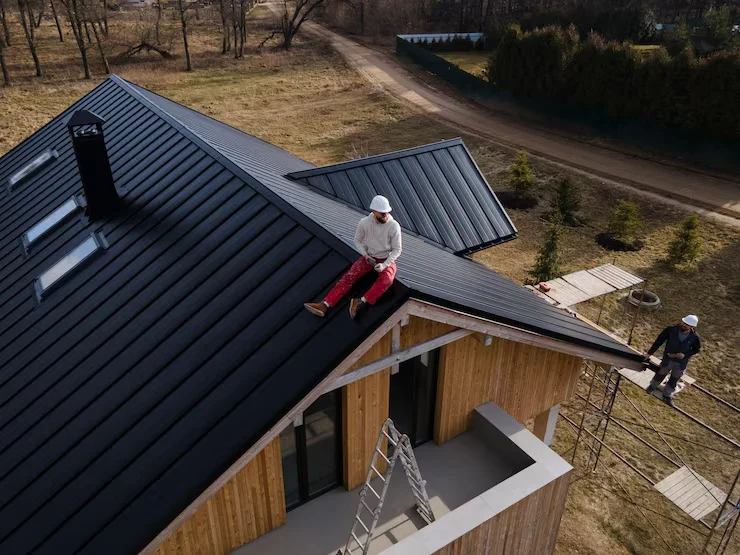
Every spring and fall, Columbus roof inspectors find the same 10 problems on home after home across every neighborhood from Midtown to Fortson. Some are minor maintenance fixes. Others are the early warning of a roof that’s about to fail.
Here’s what a proper Columbus roof inspection actually covers, the common roof problems that show up most often in homes, and which findings demand immediate action versus which can wait for the next scheduled service.
Quick answer: The 10 most common findings during Columbus roof inspections are: damaged or missing shingles, granule loss, failed flashing around chimneys and vents, inadequate attic ventilation, wind-driven rain damage at the eaves, sagging or rotted decking, moss and algae growth, clogged or pulled gutters, skylight leaks, and chimney crown deterioration. Catching these early through an annual inspection typically saves $2,000–$8,000 versus discovering them when a major leak forces emergency action.
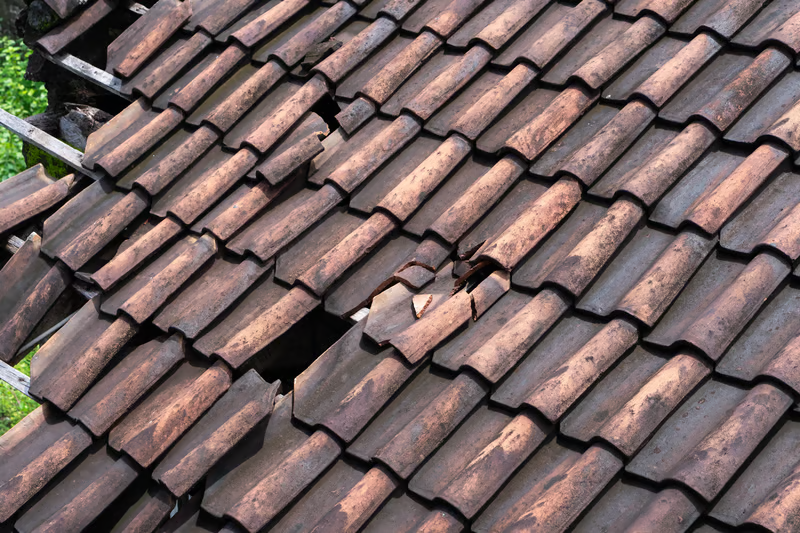
What a Columbus Roof Inspection Actually Covers
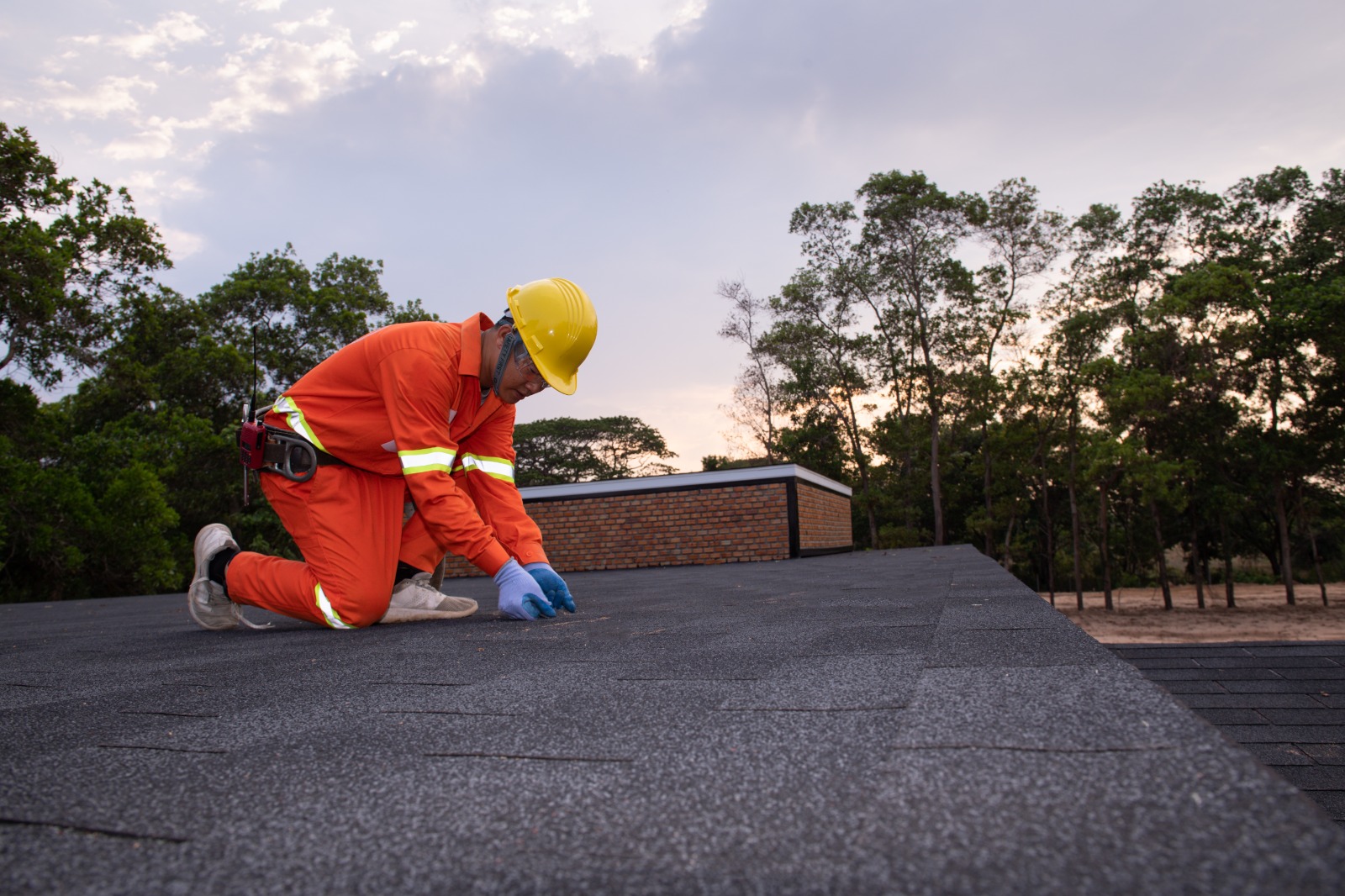
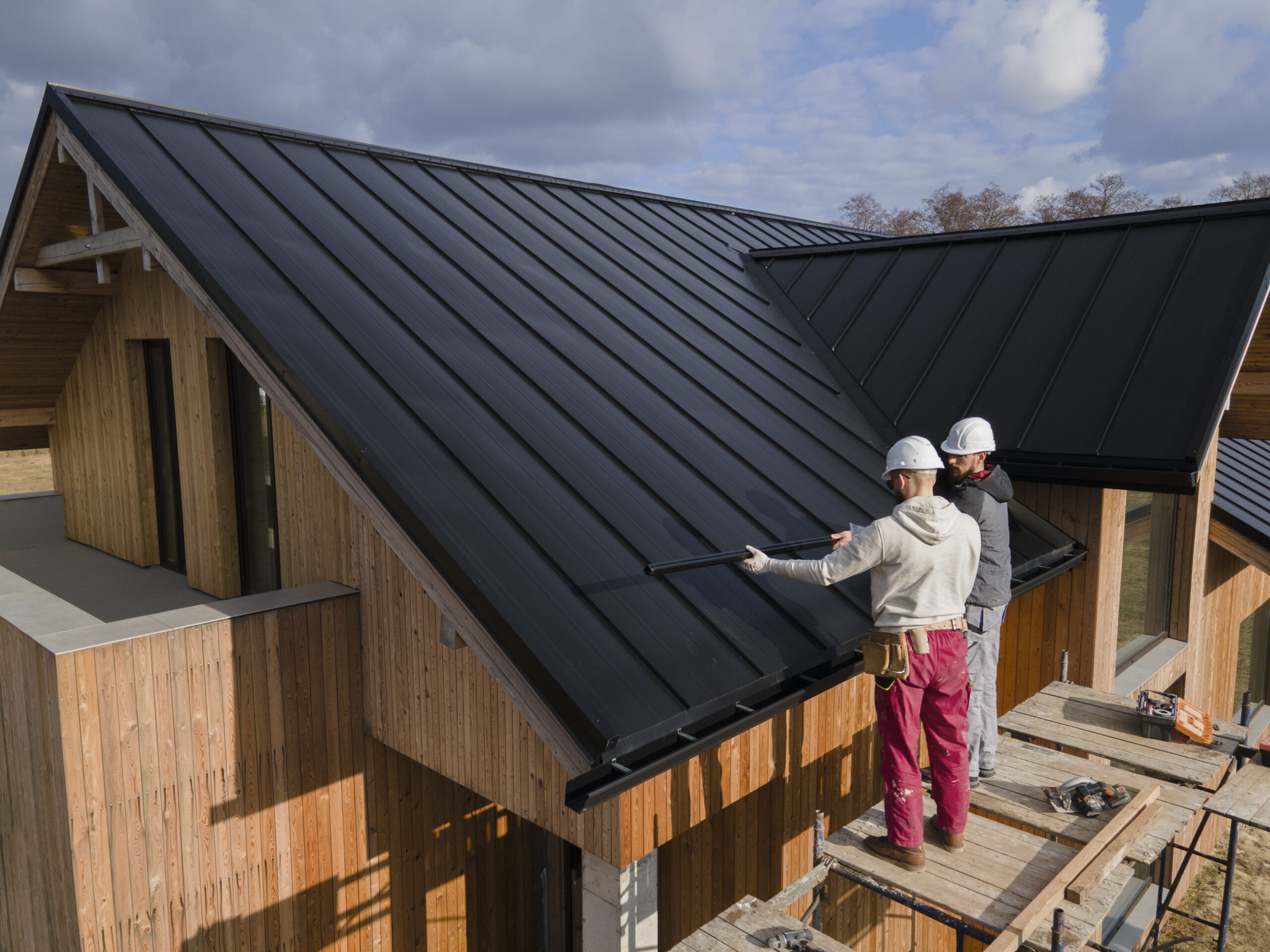
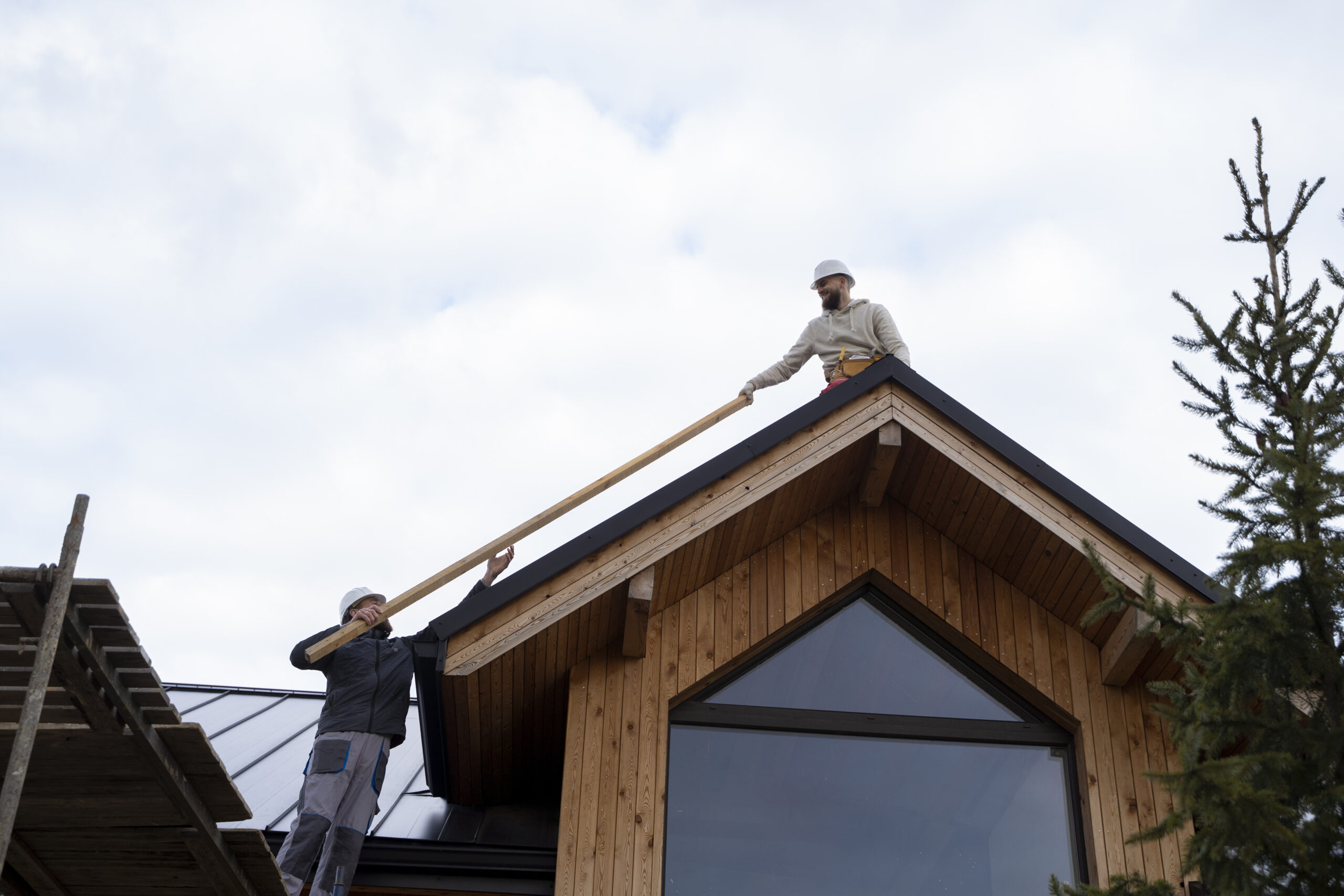
A thorough professional roof inspection in Columbus takes 45–90 minutes and includes:
- Exterior surface walk — shingle condition, granule loss, missing pieces, curling/buckling
- Flashing inspection — chimney, valleys, walls, vent boots, skylights
- Gutter and downspout review — clogs, separations, sagging, fascia damage
- Eave and soffit check — rot, ventilation, insect/animal entry points
- Attic interior inspection — daylight visibility, water staining, insulation condition, ventilation, mold
- Chimney inspection — crown, flashing, mortar joints, cap condition
- Documentation — photo report with annotations, written findings, repair vs replacement recommendation
A drive-by “inspection” from a salesperson is not the same thing as a proper inspection. Always insist on attic access half of all real roof problems show up there first.
The 10 Most Common Roof Problems in Columbus Homes
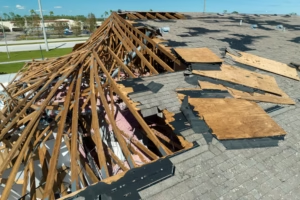
1. Damaged or Missing Shingles
The most common finding on Columbus inspections. Wind events, hail, falling branches, and age all contribute. Inspectors look for:
- Shingles missing from any slope (especially north and west exposures)
- Lifted shingle tabs (wind damage that hasn’t yet blown the shingle off)
- Cracked or split shingles from hail
- Shingles displaced from their original position
Action: Isolated damage = repair. Widespread = replacement consideration. See our guide on 7 signs you need a new roof in Columbus for the decision threshold.
2. Granule Loss
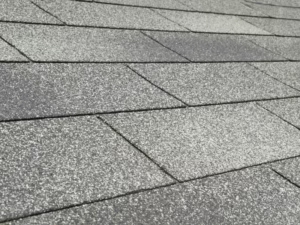
Asphalt shingles shed their protective granule coating over time. Heavy granule loss looks like:
- Bald patches where the black fiberglass mat is visible
- Heavy granule accumulation in gutters and downspouts
- Uneven coloration across the roof surface
Action: Mild loss = monitor. Heavy loss in years 12+ = end-of-life signal.
3. Failed Flashing
Flashing is the metal that seals roof transitions — around chimneys, walls, valleys, vent stacks, and skylights. It’s the single most leak-prone area of any roof.
Inspectors find:
- Rusted or corroded flashing
- Improperly nailed or lifted flashing
- Cracked sealant at flashing-shingle interfaces
- Missing step flashing along the wall transitions
Action: Flashing issues are usually repairable independently of the rest of the roof — and should be addressed promptly to prevent leaks.
4. Inadequate Attic Ventilation
A frequent finding, particularly on older Columbus homes (pre-1990 construction). Symptoms include:
- Excessive attic heat in summer
- Frost on the roof decking in winters
- Premature shingle aging
- wind-driven rain formation at the eaves
Action: Add ridge vents, replace static vents with active systems, and ensure soffit intake is unblocked. Often a $500–$2,000 fix that adds years to roof’s life.
5. Wind-Driven Rain Intrusion at Eaves
Columbus’s frequent severe thunderstorms push wind-driven rain up under shingle edges and behind the fascia at the eaves, especially where drip edge, flashing, or underlayment is worn or missing. Water works its way beneath the shingles and into the home.
Inspectors find:
- Stained underlayment in the attic at the eave areas
- Water damage on interior ceilings near exterior walls
- Loose or buckled shingles along the eave course
- Compromised ice-and-water shield
Action: Improve attic insulation and ventilation; install or refresh ice-and-water shield on next reroof; consider heat cables on chronic-problem eaves.
6. Sagging or Rotted Decking
Visible from the ground (waved or swaybacked ridge lines) or from the attic (soft spots, water staining on the deck). Causes:
- Long-term moisture intrusion
- Inadequate ventilation
- Original deck installation undersized for span
- Animal damage (raccoons especially)
Action: Decking issues are urgent. Rot accelerates and compromises structural safety. Replacement during the next reroof is the standard fix — and often non-negotiable.
For full cost context, see our Columbus roof replacement cost guide.
7. Moss, Algae, and Plant Growth
Columbus’s heavily shaded neighborhoods (Midtown, Historic District, North Columbus, Green Island Hills) see frequent moss and algae growth. Surface algae streaks are mostly cosmetic. Moss is structural — it holds moisture against the shingles and accelerates decay.
Action: Light moss = cleaning with appropriate roof treatment. Heavy moss across slopes = replacement consideration. Zinc strips at the ridge prevent future growth.
8. Gutter and Downspout Problems
Gutter issues are roof issues — clogged or pulled-away gutters cause backups that drive water under shingles, behind fascia, and into walls.
Common findings:
- Pulled or detached fascia
- Rotted wood behind the gutters
- Standing water in the gutters
- Downspouts discharging at the foundation rather than 4+ feet away
- Missing or undersized splash blocks
Action: Repair or replace as needed. See our guide on gutter guards for Columbus homes for prevention.
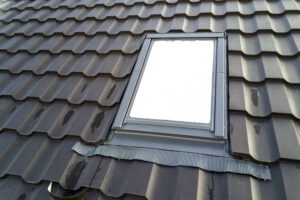
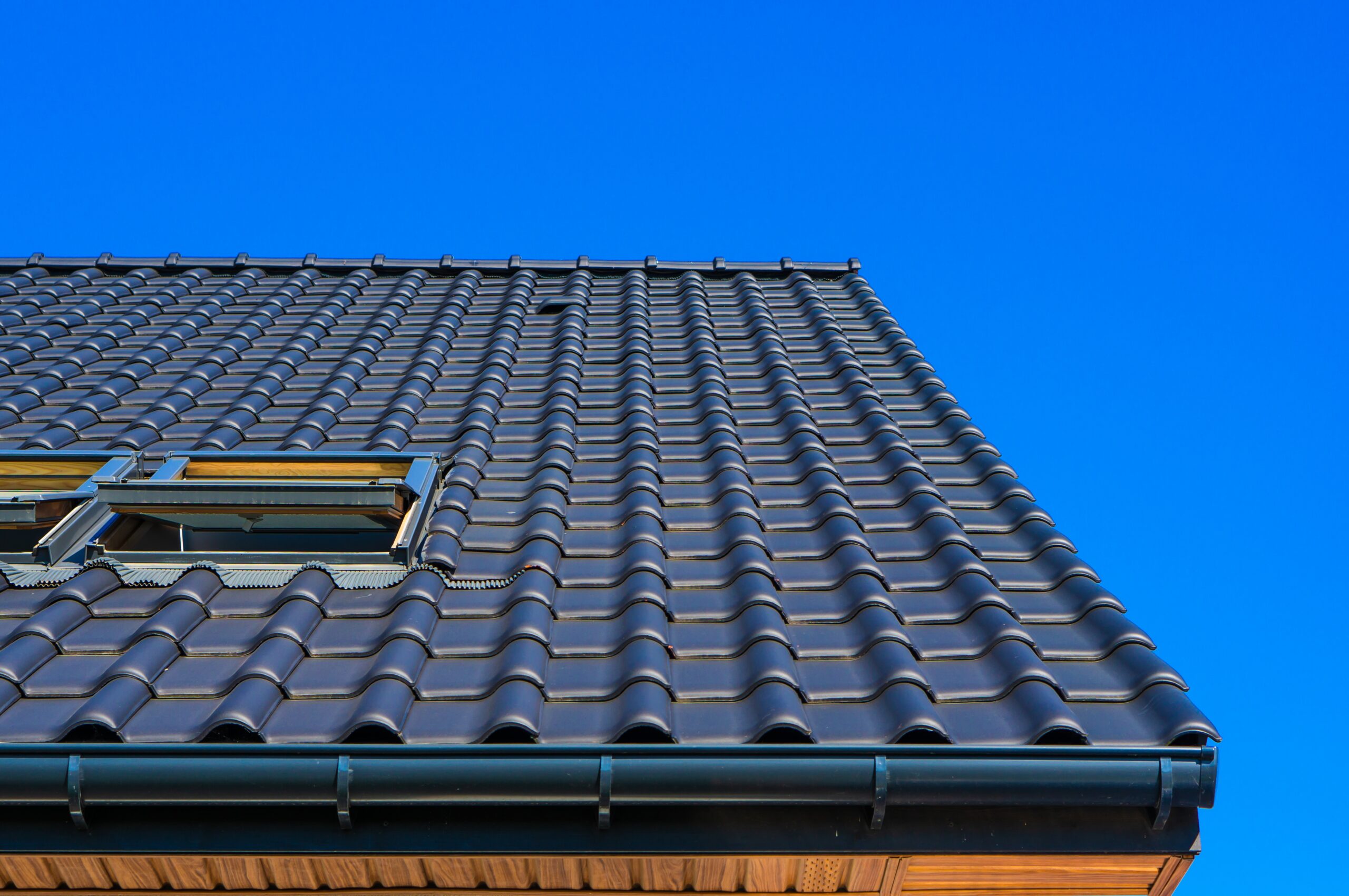
9. Skylight and Solar Tube Leaks
Skylights leak more often than any other roof penetration. Common findings:
- Failed sealant around the perimeter
- Worn flashing
- Cracked glass or polycarbonate panels
- Improperly sloped curb
Action: Skylight reflashing every 10–15 years is normal maintenance. Cracked panels need full replacement.
10. Chimney Crown and Mortar Deterioration
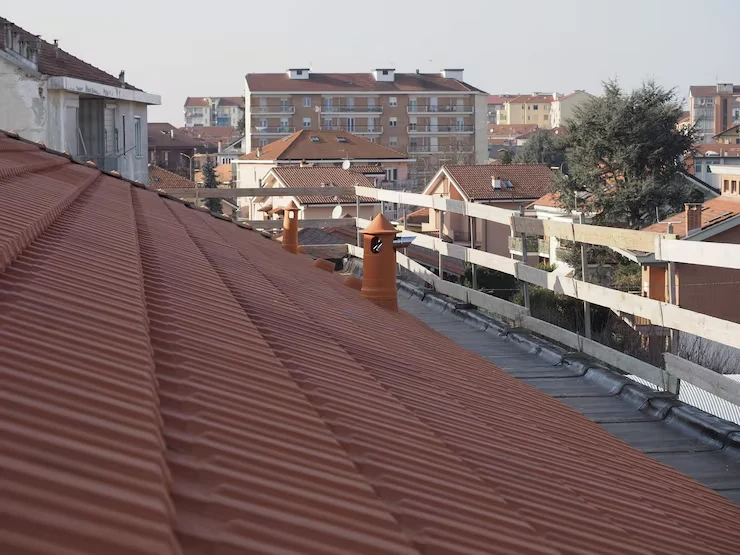
Columbus has plenty of older homes with brick chimneys. Inspectors regularly find:
- Cracked chimney crowns (the concrete cap)
- Missing or deteriorated mortar joints
- Failed chimney flashing
- Missing chimney caps
Action: Chimney work often requires a separate mason; roofers handle the flashing portion. Both are essential to keeping water out.
Columbus-Specific Climate Drivers Behind These Problems
‘s specific climate creates predictable problem patterns:
- intense summer heat and humidity (80+ per year) drive wind-driven rain damage, mortar deterioration, and flashing seal failures
- Hail frequency accelerates granule loss and shingle damage. See our Columbus hail damage guide for diagnosis specifics.
- High summer humidity + UV drives moss/algae growth and shingle binder breakdown
- Mature tree canopies in older neighborhoods drive gutter clogs, moisture retention, and physical damage from falling limbs
- Wide temperature range (-10°F to 95°F) stresses sealants, flashings, and the shingle field as a whole
When to Schedule a Columbus Roof Inspection
Annual inspection minimum:
- Late fall after leaf drop (best for finding storm-season damage before winters)
- Or early spring after heat and humidity and storm season
Additional inspections after:
- Any major storm (hail, high wind, fallen tree)
- Visible interior signs (ceiling stains, attic moisture)
- Buying or selling a home
- Reaching the 15-year mark on an asphalt roof (start annual cadence then if you weren’t already)
Most reputable Columbus roofing contractors offer free annual inspections. Drive-by storm-chasers offering “free” inspections after hail events should be evaluated carefully they’re often selling unnecessary replacements.
FAQ
How much does a Columbus roof inspection cost?
Most established Columbus roofing contractors offer free roof inspections for existing or prospective customers. Independent home inspectors charge $150–$400. Pre-purchase inspection-only services (no sales) run $200–$500 with full photo documentation.
How long does a roof inspection take in Columbus?
A thorough professional inspection takes 45–90 minutes, including attic access and documentation. A “drive-by” or under-15-minute inspection isn’t a real inspection — it’s a sales call.
Should I get a roof inspection before buying a Columbus home?
Yes — and not just rely on the general home inspector’s roof note. General home inspections typically include only a basic roof glance. A roofing-specific inspector finds 2–3x more issues, including attic and decking problems a general inspector misses.
Can I inspect my own roof?
You can do a useful ground-level visual check using binoculars — looking for missing shingles, sagging, moss, gutter issues, and visible flashing problems. Climbing your own roof is dangerous and isn’t recommended for most homeowners. Leave attic and ladder work to professionals.
What’s the most common roof problem in Columbus homes?
Damaged or missing shingles, particularly after wind events or hail. The second most common is granule loss on aging asphalt shingles. Both are found on more than half of all Columbus inspections.
Service Area Coverage
We serve the full Columbus metro and surrounding areas:
Columbus neighborhoods: Midtown, Fortson, Historic District, Green Island Hills, North Columbus, Wynnton, Uptown, Rose Hill, Beallwood, Overlook, Lakebottom.
Surrounding cities and suburbs: Harris County, Upatoi, Midland, Cataula, Ellerslie, Smiths Station, South Columbus, Bibb City.
Bottom Line
The 10 most common Columbus roof problems — damaged shingles, granule loss, failed flashing, inadequate ventilation, wind-driven rain damage, rotted decking, moss growth, gutter issues, skylight leaks, and chimney deterioration — are all caught early through annual inspections. Catching them at the inspection stage typically saves $2,000–$8,000 versus discovering them when a major leak forces emergency action. Schedule inspections in late fall or early spring, and always insist on attic access — half of all real problems show up there first.
Need a thorough roof inspection for your Columbus home? Call (706) 418-8677] for a free professional inspection with full photo documentation and attic access. We’ll tell you exactly what needs repair now, what to monitor, and how many years you have left on your roof. Serving Columbus, Midtown, Fortson, Harris County, Green Island Hills, Historic District, North Columbus, and surrounding suburbs.