In the first hour after storm damage to your Columbus, GA roof, do four things in order: keep everyone away from sagging ceilings and downed lines, photograph all damage from the ground and inside, move belongings out from under active leaks and catch water in containers, and call a local roofer for emergency tarping before rain returns. Call your insurance company after the roof is stabilized and documented — not before. Emergency Roofing Columbus answers 24/7 at (706) 418-8677.
First: The Two Things That Can Hurt You
Before any photos, before any phone calls — two safety checks:
Stay out of rooms with sagging or bulging ceilings. A ceiling holding storm water can come down without warning. If drywall is bowing or dripping at seams, keep family and pets out of that room and don’t poke it to “drain” it from directly underneath.
Treat every downed line as live. Chattahoochee Valley storms drop trees and power lines together. If a line is down anywhere near your house, stay away and call Georgia Power. And do not climb on the roof — a storm-damaged roof hides soft decking, loose shingles, and wet surfaces. Everything in this guide can be done from the ground and inside the house.
Minutes 0–15: Document Everything Before You Touch Anything
Your insurance claim will be won or lost on documentation, and the best documentation is timestamped from the day of the storm.
- Outside, from the ground: walk the full perimeter. Photograph shingles or shingle pieces in the yard, dented gutters and downspouts, damaged fascia, tree limbs on the roof, and wide shots of each roof slope. Zoom in from the ground rather than climbing.
- Inside: photograph every water stain, drip, wet spot on carpet, and the attic if it’s safe to look — damp insulation and daylight through the boards are exactly what an adjuster needs to see.
- The storm itself: note the time it hit. A quick screenshot of the local weather alert or radar ties your damage to a verifiable weather event — useful months later if a carrier questions the storm date.
Homeowners on roofing forums say the same thing again and again after a denied claim: “I wish I’d taken pictures that day.” Take more photos than feels necessary. Storage is free; a denied claim isn’t.
Minutes 15–30: Stop the Water From Spreading
You can’t fix the roof in the first hour, but you can cut the damage in half:
- Move furniture, electronics, and anything irreplaceable out from under active leaks.
- Catch the water — buckets, trash cans, towels. If a ceiling bubble is holding water and the room below is already wet, placing a bucket and letting a professional handle the ceiling is safer than piercing it yourself.
- Do not throw a tarp up yourself. DIY tarping is how storm damage turns into an emergency-room visit, and a badly anchored tarp can cause more shingle damage. Professional emergency tarping exists for exactly this situation.
Every action here is also a claim asset: insurers expect you to take “reasonable steps to prevent further damage” — your buckets-and-photos hour is you doing exactly that, on record.
Minutes 30–60: Who to Call First (Roofer, Then Insurance)
This is the sequencing question everyone gets wrong, so here it is plainly:
Call a local roofer first — for stabilization, not a sales pitch. A same-day emergency roof tarping service stops ongoing damage (your policy obligation) and gets a professional damage assessment on record before anyone else touches the roof. You’ll then call your insurer with facts — “wind lifted shingles on the south slope, tarped at 4 PM, photos attached” — instead of guesses.
Call your insurance company once the roof is stabilized and documented. Report the loss promptly — same day or next day is ideal in Georgia, where notice deadlines can be short (see our guide to how long you have to file a storm damage claim in Georgia). Give facts only: what happened, when, what you’ve documented, what emergency steps you took. Don’t speculate about the roof’s age or condition, and don’t say “it was probably already worn” — adjusters write down everything.
Who not to call — or let in: anyone who knocks on your door in the first hours after a storm offering a free inspection “while they’re in the neighborhood.” Legitimate local roofers are answering their phones after a storm, not canvassing door to door. Never sign anything on the doorstep on storm day — no “inspection authorization,” no contingency agreement, nothing.
Why the First Hour Matters More in Columbus
Our storms come in trains. A spring squall line that crosses from Phenix City through Midtown and out toward Midland and Upatoi is often followed by a second cell the same afternoon. A roof opened up by the first storm at 2 PM can take on hours of rain by dinner. That’s the real logic of the first hour: the gap between storms is your window to get documented and tarped before round two.
The same weather pattern also brings the storm-chaser vans down I-185 within a day or two. The homeowners who already have a documented inspection and a tarp from a local storm damage roof repair company are the ones with no reason to open the door.
Your First-Hour Checklist
- Safety — clear of sagging ceilings and downed lines; nobody on the roof
- Photos — exterior perimeter, interior stains, attic, storm time
- Contain — move valuables, catch water
- Call a local roofer — emergency tarping + documented assessment (706) 418-8677
- Call your insurer — facts only, same day
- Sign nothing at the door
Frequently Asked Questions
What should I do if my roof was damaged in a storm?
Stay off the roof, photograph all exterior and interior damage from safe positions, move belongings away from leaks, and call a local roofing contractor for emergency tarping before rain returns. Then report the claim to your insurer with your documentation.
Should I call my insurance company or a roofer first?
Call a local roofer first for emergency stabilization and a documented assessment — stopping further damage is your obligation under most policies. Then call your insurer the same day with facts and photos in hand.
How long after a storm can you claim roof damage?
Georgia policies commonly expect prompt notice — many within 60 days to 12 months of the storm. The safest practice is reporting within days. See our full Georgia claim deadline guide for the details.
What does storm damage on a roof look like?
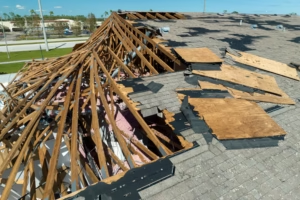
From the ground: missing or lifted shingles, shingle debris in the yard, dented gutters, exposed underlayment, and damaged flashing. Inside: ceiling stains, damp attic insulation, and daylight through roof boards.
Does homeowners insurance cover roof damage from storms?
Most Georgia homeowner policies cover sudden storm damage from wind and hail, subject to your deductible and policy terms. Gradual wear and tear is not covered, which is why same-day documentation matters.
What not to say to a roof insurance adjuster?
Don’t speculate, guess at the roof’s age or condition, or volunteer phrases like ‘it was probably already worn.’ State only documented facts: the storm date, what you found, and the emergency steps you took.
This article is general information, not legal or insurance advice — policy terms vary, and you should verify your specific policy language with your carrier.
Storm Just Hit? We Answer at 2 AM
Emergency Roofing Columbus runs a true 24/7 emergency line for Columbus, Fort Moore, Midland, Phenix City, and the surrounding Chattahoochee Valley. Same-day emergency tarping, documented inspections with dated photo reports, and honest answers about whether your damage is even worth a claim.