You can spot wind damage on your roof from the ground: look for missing, lifted, or creased shingles (especially along edges and ridges), shingle debris in your yard, exposed underlayment, bent or detached flashing, and granules collecting in gutters. Inside, check for new ceiling stains and damp attic insulation. Never climb a storm-damaged roof — use binoculars from the ground and call a local roofer to inspect safely. Emergency Roofing Columbus offers free wind-damage inspections at (706) 418-8677.
The Wind Damage Signs You Can See From the Ground
Wind damage is sneakier than hail — a roof can be compromised while still looking mostly intact from the street. Walk your property and check for these, in roughly the order they appear:
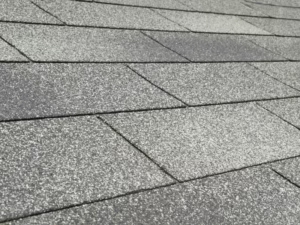
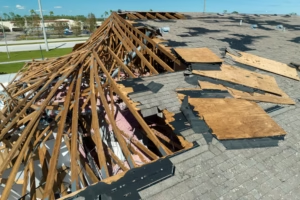
- Missing shingles or bare patches — the clearest sign. Exposed underlayment or bare wood decking means shingles were torn off. Check edges, corners, and ridges first; that’s where uplift is strongest.
- Lifted or curled shingles — still attached but raised, wavy, or peeling at the corners. Wind breaks the adhesive seal; the shingle flaps and no longer sheds water.
- Creased or folded shingles — a horizontal crease near the top of a shingle where wind bent it back and it fell again. Creased shingles are damaged even if they look flat now.
- Shingle debris in the yard — shingle tabs or whole shingles on the ground, in flower beds, or against the fence. If they’re in your yard, they’re missing from your roof.
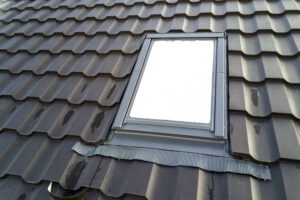
- Bent or missing flashing — the metal around chimneys, vents, and skylights. Wind uplift pulls it loose, opening a direct leak path.
- Granules in gutters and downspouts — excessive grit means the protective surface is being stripped, shortening the roof’s life.
The Signs You Check From Inside
Sometimes wind damage shows up indoors before it’s obvious outside — wind-driven rain gets under lifted shingles and into the deck:
- New water stains — yellow or brown rings on upper-floor ceilings or walls.
- Peeling paint or bubbling drywall near the ceiling line.
- Damp attic insulation or, in daylight, light visible through the roof boards — a clear sign of an opening.
If you see interior signs after a storm, treat it as active water intrusion and get it stabilized quickly — our guide on what to do in the first hour after storm damage covers the immediate steps.
“What Wind Speed Actually Damages a Roof?”
A common question, and the answer surprises people: it doesn’t take a hurricane.
- 50–60 mph gusts — the threshold where asphalt shingles begin lifting and tearing, especially older or poorly sealed ones. Ordinary Georgia thunderstorms hit these speeds regularly.
- 60–70 mph — widespread shingle loss becomes likely.
- 74+ mph — hurricane-force; significant structural roof damage.
The Chattahoochee Valley sees severe thunderstorm warnings with 58+ mph winds throughout spring and summer, and straight-line winds down the Fort Moore corridor can exceed that. You don’t need a named storm to lose shingles here — a fast-moving squall line will do it.
“The Wind Was Bad Last Night — Should I Get My Roof Checked?”
If your neighbor found shingles in their yard, or your area had a severe thunderstorm warning, the answer is yes — even if your roof looks fine from the street. Here’s why: wind damage frequently breaks the shingle seal without removing the shingle. It looks normal, sheds water for a while, then leaks weeks later during an ordinary rain — often past your policy’s notice window.
A ground-level professional inspection catches lifted and creased shingles you can’t see from below. It costs nothing to know, and a dated inspection report ties any damage to the storm that caused it — which matters if you end up filing.
Wind Damage and Your Insurance
Most Georgia homeowner policies cover sudden wind damage, subject to your deductible. The claim turns on the same thing every storm claim does: documentation tied to a storm date. Photograph the debris, the missing and lifted shingles, and any interior stains, and note the date of the storm.
If you decide to file, the process is the same as for hail — see our step-by-step guide to storm damage insurance claims in Georgia for what adjusters look for and how to handle a denial. And check the Georgia filing deadline, because wind damage that surfaces slowly can push you toward your notice limit.
Don’t Climb Up There
One rule worth repeating: never climb a storm-damaged roof to check it yourself. Wind damage leaves loose shingles, soft decking, and slick surfaces that look solid from below. Every sign in this guide can be checked from the ground with binoculars or a phone zoom, or from inside your attic. Leave the actual roof to someone insured to be up there.
Frequently Asked Questions
How do I know if my roof is damaged by wind?
From the ground, look for missing, lifted, or creased shingles, shingle debris in the yard, exposed underlayment, and bent flashing. Inside, check for new ceiling stains and damp attic insulation. A professional inspection confirms damage you can’t see from below.
What does a wind-damaged roof look like?
Missing shingle tabs exposing underlayment or bare wood, shingles raised or curled at the corners, horizontal creases across shingles, scattered shingle debris, and detached flashing around chimneys and vents.
What wind speed will damage a roof?
Asphalt shingles can begin lifting at 50-60 mph gusts, with widespread loss likely at 60-70 mph and structural damage at hurricane-force 74+ mph. Ordinary Georgia thunderstorms regularly reach damaging speeds.
Will insurance pay for wind damage to a roof?
Most Georgia homeowner policies cover sudden wind damage, subject to your deductible. Coverage depends on documenting the damage and tying it to a storm date, and on the roof’s pre-storm condition.
How can I tell wind damage from hail damage?
Wind damage concentrates at edges, ridges, and corners as missing, lifted, or creased shingles. Hail damage is a scattered, random pattern of bruising and granule loss across the whole slope, usually with dents on soft metal. An inspection can distinguish them.
Should I get my roof inspected after high winds even if it looks fine?
Yes. Wind often breaks the shingle seal without removing the shingle, leaving damage invisible from the ground that leaks weeks later. A ground-level inspection catches it while it’s still tied to the storm date.
This article is general information, not legal or insurance advice — policy terms vary, and you should verify your specific policy language with your carrier.
Think the Wind Got Your Roof? Let’s Look — Free
Emergency Roofing Columbus provides free wind-damage inspections across Columbus, Phenix City, Midland, Fort Moore, and the Chattahoochee Valley. We check from the ground and the attic, document everything with dated photos, and tell you honestly whether you have damage worth acting on. If you do, we handle storm damage roof repair start to finish.