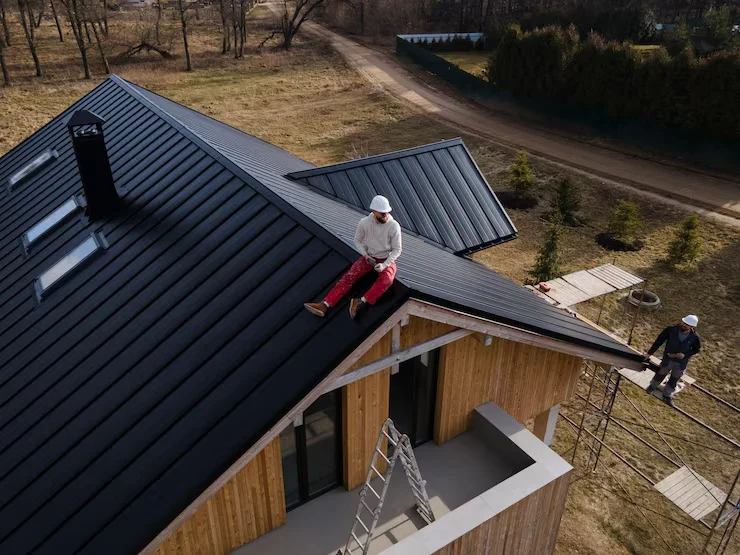
Storm chasers are out-of-town roofing crews that flood an area after a storm, pressure homeowners into signing on the spot, and often disappear before warranties are ever tested. Columbus homeowners get burned by upfront-payment demands, inflated insurance claims, and assignment-of-benefits (AOB) contracts signed at the door. Georgia law gives you a three-day right to cancel a contract signed at your home, and AOB agreements carry specific requirements. Protect yourself: verify a local address, license, and insurance before signing anything. Emergency Roofing Columbus is local and verifiable at (706) 418-8677.
What a Storm Chaser Actually Is
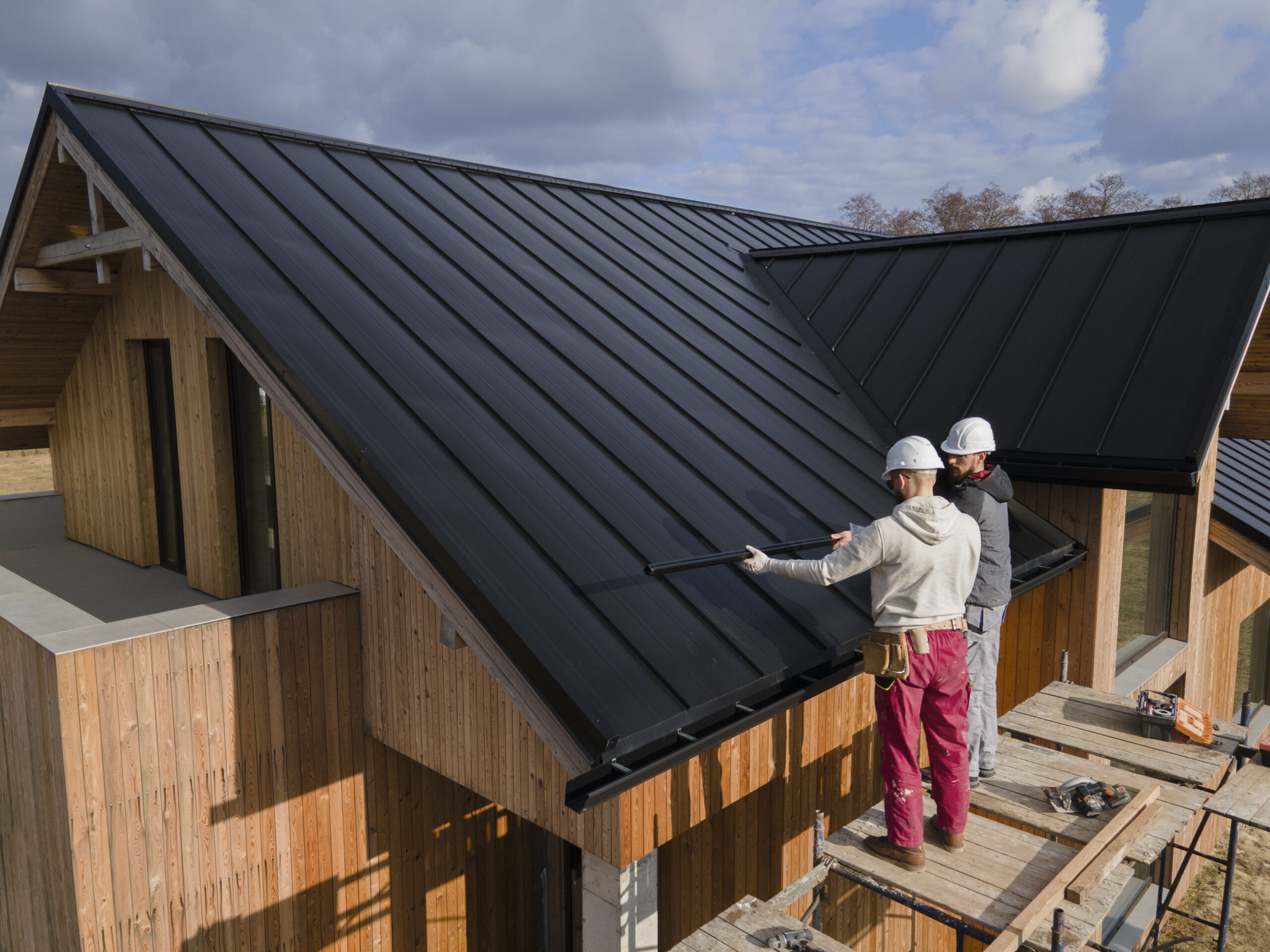
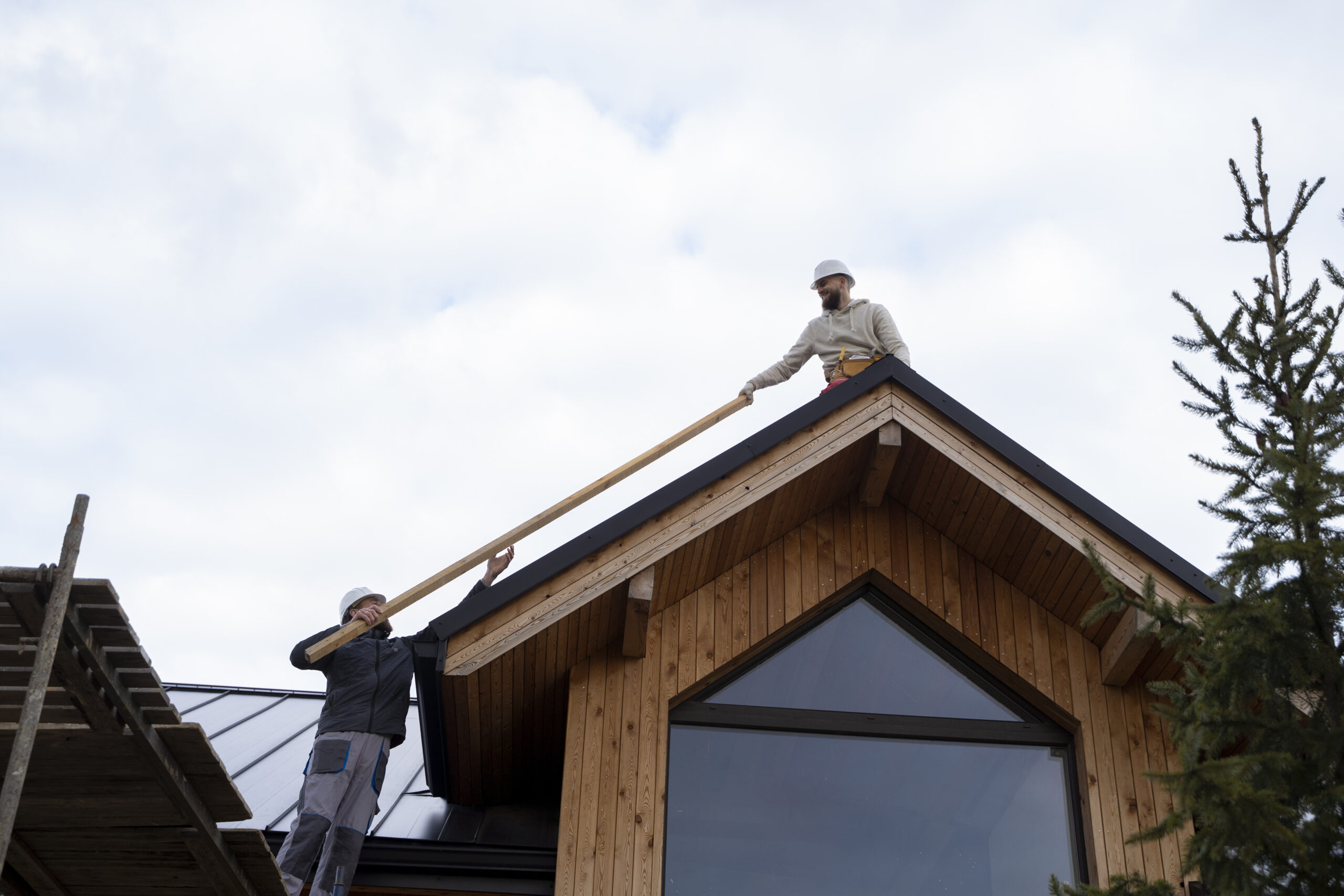
A storm chaser is a roofing operation that follows severe weather from state to state, sets up temporarily after a hailstorm or wind event, signs up as many homeowners as possible, and moves on. The crew on your roof is often subcontracted labor working under a brand with no lasting presence in Columbus. Once the checks clear, they’re gone — and so is anyone to call when the “lifetime warranty” they promised needs honoring.
They’re not always easy to spot, because the good ones look professional. The tell isn’t the truck or the flyer — it’s the behavior: the urgency, the doorstep contract, the “sign now or miss out.”
The Red Flags Columbus Homeowners Report
These are the patterns that show up again and again in homeowner complaints after a storm:
- Door-knocking within a day or two of a storm — “we’re already working in your neighborhood, we noticed your roof.” Legitimate local roofers are answering their phones after a storm, not canvassing door to door.
- Pressure to sign immediately — a real contractor lets you think it over. Urgency is the scammer’s main tool.
- Demands for full payment upfront, or cash — legitimate roofers don’t require the full amount before the work is done.
- “Let me handle your whole insurance claim for you” — a pitch to control your claim, often paired with a document to sign.
- Only a P.O. box, a cell number, or an out-of-state address — no verifiable local presence.
- Offers to “waive your deductible” or pay it for you — this is insurance fraud in most cases, and it puts you at risk, not just them.
If someone at your door hits three or more of these, close the door and call a roofer you found yourself.
“A Roofer Knocked and Wants Me to Sign — What Do I Do?”
The homeowners who post about this online almost always say the same thing afterward: “I felt pressured and signed something on the porch, and now I regret it.” Here’s the protection Georgia law actually gives you.
Your Georgia 3-Day Right to Cancel
Under Georgia’s version of the federal cooling-off rule, when you sign a contract for goods or services at your home (rather than at the seller’s place of business) as a result of a door-to-door solicitation, you generally have the right to cancel within three business days — in writing — without penalty. The salesperson is required to tell you about this right and give you a cancellation form. If a storm-chasing crew got you to sign on the porch and you’ve had second thoughts, this three-day window is your first line of defense. Send your cancellation in writing and keep proof you sent it.
Assignment of Benefits (AOB): The Trap on the Clipboard
Many doorstep “authorizations” are actually an Assignment of Benefits — a document that hands the contractor your right to deal directly with your insurer and collect the claim payment. Signed unknowingly, an AOB can strip your control over your own claim.
In Georgia, an AOB in a residential property-insurance context carries specific requirements — it must be a written, clearly labeled agreement, it must accurately describe the work, and the assignment is bounded by consumer-protection rules designed to keep you from unknowingly signing away your claim. The practical takeaway: never sign an AOB at the door. If a contractor won’t do the work without one before you’ve even chosen them, that’s your answer. A legitimate local roofer can inspect, document, and work your claim without taking assignment of your benefits.
(This is general information, not legal advice — for a specific contract or cancellation, consult a Georgia attorney or the Georgia Office of the Attorney General’s Consumer Protection Division.)
Why Local Actually Matters (Beyond a Slogan)
The difference between a local roofer and a storm chaser isn’t marketing — it’s what happens after the job:
- The warranty is only as real as the company behind it. A workmanship warranty from a crew that left the state is worth nothing. A local company’s warranty is backed by a business that’s still here — and still cares about its reputation in a community where word travels.
- Accountability has an address. When your roofer’s office is a real place in Columbus, there’s someone to hold responsible if something needs attention next year.
- Manufacturer certifications require staying put. The strongest shingle warranties can only be registered by certified local contractors — and only stay valid if the installer is around and authorized.
You can read more about what a real local, verifiable roofing operation looks like on our About Us page — local address, licensing, and manufacturer certifications you can check. And if the storm did real damage, our storm damage roof repair team handles it start to finish, locally.
How to Verify a Roofer in Georgia (Before You Sign Anything)
A five-minute checklist that stops most scams cold:
- Confirm a physical local address — not a P.O. box. Look it up.
- Verify insurance — ask for a certificate of general liability and workers’ comp, and call the carrier if in doubt.
- Check reviews and local reputation — Google, the Better Business Bureau, and neighbors.
- Get everything in writing, itemized — scope, price, timeline, warranty. No “trust me.”
- Never pay in full upfront, and never pay cash.
- Don’t sign an AOB or a contract at the door — take it, read it, and use your three-day right if you already did.
After a Storm, Have This Handled Before They Knock
The homeowners who don’t get burned are usually the ones who already called a local roofer first. If you’ve got a documented inspection and, if needed, a tarp from a company you chose, you have zero reason to open the door to a stranger with a clipboard. If a storm just hit, start with what to do in the first hour after storm damage; if you’re not sure the wind got your roof, here’s how to spot wind damage; if the roof is exposed, know the emergency tarping cost and when insurance pays; and when you file, our step-by-step Georgia claims guide and the filing deadline guide keep your claim in your own hands.
Frequently Asked Questions
How do I avoid roofing scams after a storm?
Work only with roofers who have a verifiable local address, license, and insurance. Refuse doorstep pressure, never pay in full upfront, get everything itemized in writing, and don’t sign a contract or assignment of benefits at your door. Use your Georgia three-day right to cancel if you already signed.
What is the 25% rule for roofing?
It refers to a common code provision: when more than 25% of a roof section is damaged within any 12-month period, the whole section generally must be brought up to current code rather than patched. Some contractors cite it to justify a full replacement – verify it applies to your actual damage.
How can I tell if a roofer is lying?
Watch for pressure to sign immediately, demands for full upfront payment, offers to waive your deductible, refusal to provide a written itemized estimate, and no verifiable local address. Honest roofers welcome verification and put everything in writing.
Can I cancel a roofing contract I signed with a door-to-door salesman in Georgia?
Generally yes. Georgia’s cooling-off protections give you three business days to cancel a contract signed at your home from a door-to-door solicitation, in writing and without penalty. Send your cancellation in writing and keep proof.
Why shouldn’t I let a roofer handle my whole insurance claim?
Handing full control of your claim to a contractor – often through an assignment of benefits – can strip your ability to dispute the work or the settlement. A legitimate roofer documents damage and works with your adjuster without taking assignment of your benefits.
Should I sign an assignment of benefits (AOB) at the door?
No. In Georgia, AOB agreements carry specific requirements and can hand a contractor control of your claim payment. Never sign one on the spot – choose your roofer first, read any agreement fully, and don’t assign your benefits unless you fully understand and want to.
This article is general information, not legal advice — consumer-protection and insurance rules have specific conditions, and you should verify your rights with a Georgia attorney or the Georgia Office of the Attorney General for your situation.
Work With a Roofer You Can Actually Verify
Emergency Roofing Columbus is a local, licensed, and insured roofing company based right here at 5923 Nassau Cir — not a storm-chasing crew passing through. You can check our address, our credentials, and our reputation before you ever sign a thing. When a storm hits Columbus, Phenix City, Midland, or Fort Moore, call a company that will still be here to honor its warranty.